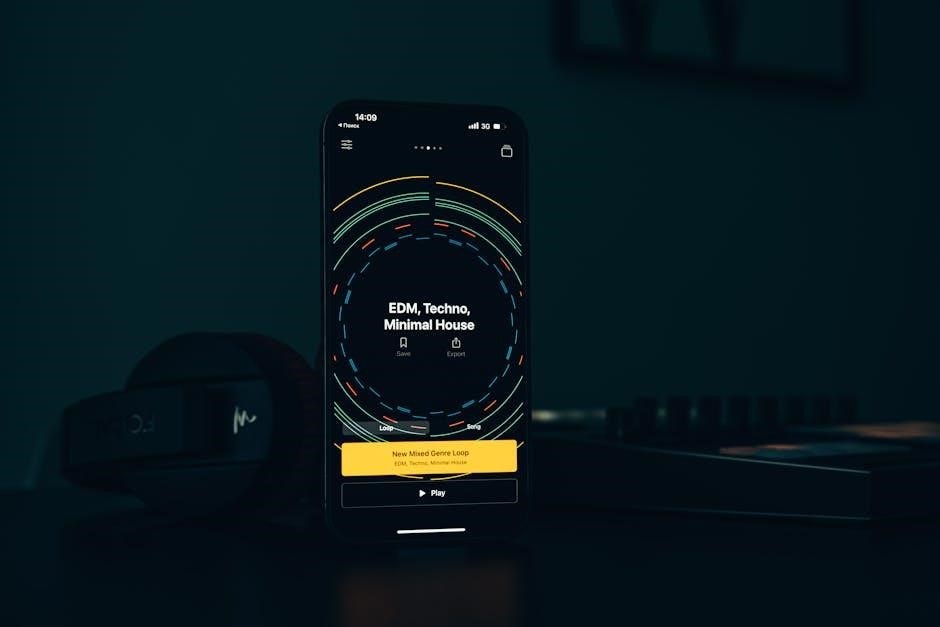
Techno Music: A Comprehensive Beginner’s Guide (Updated 05/04/2026)
Dive into the world of techno! This guide explores its origins, key artists, vibrant scenes, and essential production/DJing techniques for newcomers․
What is Techno Music?
Techno is a genre of electronic dance music that emerged in Detroit, Michigan, during the mid-1980s․ It’s characterized by a repetitive, four-on-the-floor beat, typically between 120 and 150 beats per minute․ Techno evolved from a fusion of German electro-pop and American house music, creating a distinctly futuristic and often minimalist sound;
Unlike some electronic genres, techno often eschews vocals, focusing instead on instrumental textures and rhythmic complexity․ It’s a music designed for dancing, often experienced in dark, warehouse-style clubs and at large-scale festivals․ The genre’s influence extends to numerous subgenres and broader electronic music forms like EDM and dubstep․
The Core Elements of Techno
At its heart, techno relies on a strong, repetitive rhythmic foundation – the four-on-the-floor beat․ This provides a consistent pulse for layering other elements․ Synthesizers are crucial, crafting both melodic lines and atmospheric textures․ Expect to hear driving basslines, often created with analog synths, and percussive sounds that add complexity․
Repetition and subtle variations are key; techno builds tension through gradual changes rather than dramatic drops․ Effects like reverb, delay, and distortion are used to sculpt the sound, creating depth and atmosphere․ Minimalist arrangements are common, prioritizing impact over complexity․
A Brief History of Techno Music
Techno’s story begins in the 1970s with German electro-pop, laying groundwork for its electronic soundscapes․ The early 1980s saw the rise of American house music in Chicago, influencing a new generation of producers․ However, it was in Detroit during the mid-1980s that techno truly emerged, blending these influences into something unique․
Detroit artists sought to create futuristic sound, drawing inspiration from European electronic music and the energy of Chicago house․ This period marked the birth of a genre that would soon resonate globally, evolving and diversifying into numerous subgenres․
The German Electro-Pop Influence (1970s)
The 1970s German electro-pop scene was pivotal, providing crucial foundations for what would become techno․ Artists like Kraftwerk pioneered the use of synthesizers and drum machines, creating minimalist, robotic soundscapes․ This innovative approach to electronic music focused on precise rhythms and futuristic textures․
Their experimentation with technology and rejection of traditional rock instrumentation heavily influenced early techno producers․ The emphasis on synthetic sounds and repetitive structures became hallmarks of the emerging genre, shaping its aesthetic and sonic identity․
The Rise of American House Music (Early 1980s)
The early 1980s saw the emergence of house music in Chicago, a significant precursor to techno․ Originating in clubs like The Warehouse, house blended disco, funk, and electronic elements, creating a dancefloor-focused sound․ Its accessibility and DIY ethos resonated with a generation seeking new forms of expression․
House music’s influence on techno was substantial, particularly in its emphasis on repetitive 4/4 beats and the use of drum machines․ The Belleville Three, foundational figures in Detroit techno, drew heavily from the energy and innovation of the Chicago house scene․
The Birth of Detroit Techno (Mid-1980s)
Detroit techno emerged in the mid-1980s, forged by a collective of innovators known as the Belleville Three․ This new sound blended European electronic music, particularly Kraftwerk, with the burgeoning American house scene from Chicago․ It represented a futuristic, often dystopian, sonic landscape․
Artists began experimenting with drum machines, synthesizers, and sequencers, crafting minimalist and hypnotic tracks․ Juan Atkins’ “No UFOs” (1985) is widely considered a pivotal moment, marking a distinct departure and the genesis of Detroit techno’s unique identity․
The Belleville Three: Pioneers of Techno
The Belleville Three – Juan Atkins, Derrick May, and Kevin Saunderson – are foundational figures in techno’s development․ High school friends from Belleville, Michigan, they collectively shaped the genre’s early sound, drawing inspiration from both European electronic music and Chicago house․ Their innovative approach established Detroit as techno’s birthplace․
They weren’t simply imitators; they forged a distinctly futuristic and often melancholic aesthetic․ Each member brought a unique perspective, contributing to the diverse yet cohesive sound that defined the first wave of Detroit techno and continues to influence the genre today;
Juan Atkins and “No UFOs” (1985)
Juan Atkins, often credited with coining the term “techno,” is widely recognized for creating the first true techno track: “No UFOs,” released in 1985 under the pseudonym Cybotron․ This instrumental piece masterfully blended elements of Kraftwerk’s electronic soundscapes with the emerging energy of Chicago house music․
“No UFOs” wasn’t an immediate chart-topper, but its innovative use of synthesizers, drum machines, and atmospheric textures laid the groundwork for the entire genre․ It’s a seminal work, demonstrating Atkins’ vision and establishing a blueprint for future techno producers․
Derrick May and Transmat Records
Derrick May, another crucial member of the Belleville Three, founded Transmat Records in 1987, becoming a vital platform for early Detroit techno․ Transmat wasn’t just a label; it was a sonic laboratory where May refined his signature sound – a blend of soulful melodies, driving rhythms, and futuristic textures․
May’s productions, released through Transmat, showcased a more emotive and atmospheric side of techno, influencing countless artists․ He helped define the genre’s aesthetic and establish Detroit as its birthplace, fostering a unique musical identity․
Kevin Saunderson and Inner City
Kevin Saunderson completed the Belleville Three, bringing a distinctly soulful and accessible edge to Detroit techno․ He achieved mainstream success with his project Inner City, alongside vocalist Paris Grey․ Their 1988 hit “Big Fun” catapulted techno into the international spotlight, crossing over into pop charts and introducing the genre to a wider audience․
Inner City’s blend of house and techno elements proved incredibly influential, demonstrating the genre’s potential for crossover appeal․ Saunderson’s work broadened techno’s reach and helped solidify Detroit’s position as its origin point․
Key Subgenres of Techno
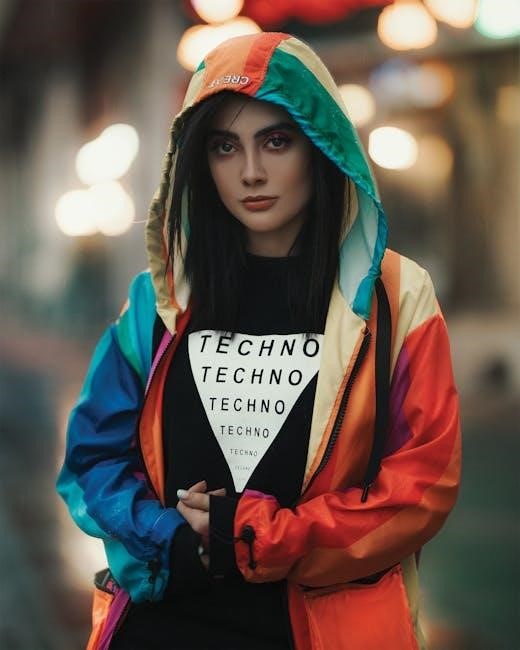
Techno’s evolution has spawned diverse subgenres, each with unique characteristics․ Detroit Techno, the original sound, emphasizes soulful melodies and futuristic soundscapes․ Minimal Techno strips elements back to their core, creating hypnotic, repetitive grooves․ Acid Techno utilizes the distinctive squelch of the Roland TB-303 synthesizer, generating psychedelic textures․
For those seeking intensity, Hard Techno delivers fast tempos and driving beats․ Conversely, Melodic Techno prioritizes atmospheric sound design and emotional resonance, offering a more immersive experience․

Detroit Techno: The Original Sound
Emerging in the mid-1980s, Detroit Techno laid the foundation for the genre․ Influenced by European electronic music and Chicago’s house scene, pioneers like The Belleville Three crafted a futuristic sound․ It blended machine rhythms with soulful melodies, reflecting Detroit’s post-industrial landscape․
Early Detroit Techno tracks often featured a sense of alienation and optimism․ Juan Atkins’ “No UFOs” (1985) is widely considered a seminal work, showcasing the genre’s innovative spirit and establishing its unique sonic identity․ This sound became globally influential․
Minimal Techno: Stripped-Down and Hypnotic

Evolving in the early 1990s, Minimal Techno represents a reductionist approach to the genre․ It focuses on repetitive, hypnotic rhythms and subtle sonic textures, eschewing excessive melodies or complex arrangements․ The emphasis is on creating a deeply immersive and meditative experience for the listener․
Characterized by its sparse instrumentation and precise sound design, Minimal Techno often utilizes looping patterns and micro-variations․ It’s a style built for extended DJ sets, fostering a sense of gradual evolution and sustained energy on the dance floor․
Acid Techno: The Roland TB-303’s Influence
Born in the late 1980s, Acid Techno is instantly recognizable for its squelchy, psychedelic sounds – all thanks to the Roland TB-303 Bass Line synthesizer․ Initially a commercial failure, the 303 found new life in the hands of Chicago house and then Detroit techno producers․
By manipulating the 303’s resonance and cutoff filters, artists created those signature, bubbling basslines․ This subgenre quickly became synonymous with the underground rave scene, embodying a raw, experimental energy․ Acid Techno remains a vital and influential force within the broader techno landscape․
Hard Techno: Fast-Paced and Intense
Emerging in the early 1990s, Hard Techno is characterized by its relentless speed, typically ranging from 135 to 150 BPM or even faster․ It’s a stripped-down, aggressive style focusing on driving rhythms and powerful, often distorted, basslines․ This subgenre prioritizes energy and intensity, creating a hypnotic and physically demanding experience for listeners․
Often featuring minimal melodic elements, Hard Techno emphasizes percussive complexity and a dark, industrial aesthetic․ It’s a favorite among those seeking a more visceral and uncompromising techno experience, frequently found in underground clubs and festivals․
Melodic Techno: Atmospheric and Emotional
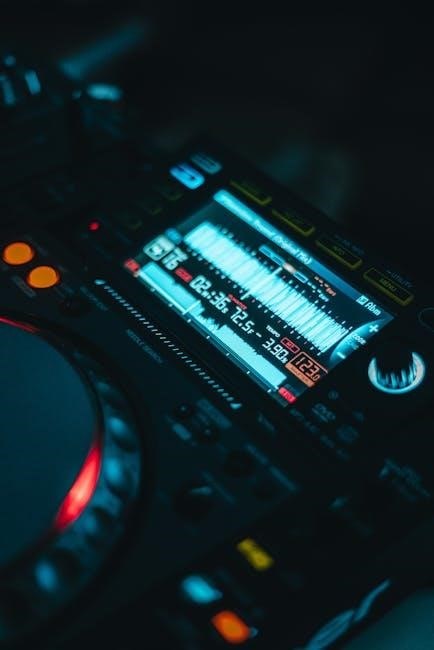
A more recent development within the techno landscape, Melodic Techno prioritizes atmosphere and emotional depth․ Unlike its harsher counterparts, this subgenre incorporates lush synthesizers, evocative pads, and often, subtle melodic progressions․ While maintaining a driving beat – typically around 120-130 BPM – it focuses on creating immersive and captivating soundscapes․
Melodic Techno aims for a balance between the hypnotic qualities of traditional techno and a more accessible, emotionally resonant experience․ It’s gaining significant popularity, bridging the gap between techno and progressive house․
Essential Techno Artists
Techno’s evolution is defined by its pioneering artists․ Richie Hawtin (Plastikman) is renowned for his minimalist and experimental approach, pushing sonic boundaries․ Sven Väth, a legendary figure, embodies the energy of the Berlin techno scene with his extended sets and influential Cocoon label․
Carl Cox, known as the “King of Techno,” delivers infectious energy and masterful mixing․ Nina Kraviz, a contemporary force, blends acid, techno, and house with a unique, raw style․ These artists, among many others, have shaped and continue to define the sound of techno globally;
Richie Hawtin (Plastikman)
Richie Hawtin, also known as Plastikman, is a pivotal figure in techno’s development․ His work transcends simple DJing and production; he’s a sonic innovator․ Hawtin’s Plastikman project, characterized by its stark, minimalist aesthetic, utilizes repetitive rhythms and hypnotic textures․ He’s famed for his stripped-down soundscapes and exploration of electronic music’s potential․
Beyond Plastikman, Hawtin’s contributions include the development of software like Traktor, influencing DJ performance․ He consistently challenges conventions, making him a truly influential and respected artist within the techno community․
Sven Väth
Sven Väth, often hailed as the “Papa of Techno,” is a German DJ and producer with an immense legacy․ He’s renowned for his energetic and extended sets, captivating audiences for hours with his masterful mixing and track selection․ Väth’s dedication to the genre is legendary, consistently pushing boundaries and championing innovative sounds․
He founded the influential Cocoon Recordings label, showcasing cutting-edge techno artists․ His club nights and festival appearances are highly sought after, solidifying his status as a true icon and a driving force in the global techno scene․

Carl Cox
Carl Cox is a British DJ and electronic music producer, globally celebrated as one of the greatest techno DJs of all time․ Known for his infectious energy and three-deck mixing skills, Cox delivers dynamic and unforgettable performances․ He’s a true showman, connecting with crowds through his passion and technical prowess․
Cox has consistently championed underground sounds, running the Injected Recordings label and hosting renowned events․ His influence extends beyond the booth, making him a pivotal figure in shaping the evolution of techno music worldwide․
Nina Kraviz
Nina Kraviz is a Russian DJ and producer, renowned for her hypnotic and often experimental techno sets․ She’s a leading figure in the contemporary techno scene, celebrated for her unique sound and uncompromising artistic vision․ Kraviz seamlessly blends classic and cutting-edge tracks, creating immersive sonic journeys․
Beyond DJing, she runs the трип (trip) label, showcasing emerging talent and pushing the boundaries of electronic music․ Her dedication to authenticity and innovation has solidified her status as a global techno icon․
Techno Clubs and Festivals
Experiencing techno live is crucial! Clubs like Berghain/Panorama Bar (Berlin) and Tresor (Berlin) are legendary for their immersive atmospheres and cutting-edge lineups․ These venues represent the heart of the Berlin techno scene, offering extended sets from world-class DJs․
Festivals such as Movement Detroit, the birthplace of techno, and Awakenings (Netherlands) provide large-scale celebrations of the genre․ They showcase a diverse range of artists and subgenres, attracting techno enthusiasts from around the globe․
Berghain/Panorama Bar (Berlin)
Berghain/Panorama Bar is arguably the most famous techno club globally․ Located in Berlin, it’s renowned for its strict door policy, legendary sound system, and marathon sets․ The club operates across two floors: Berghain, playing harder techno, and Panorama Bar, focusing on house music․
Its industrial aesthetic and commitment to artistic freedom create a unique and immersive experience․ Berghain isn’t just a club; it’s a cultural institution, representing Berlin’s vibrant nightlife and pushing the boundaries of electronic music․ Expect long queues and a challenging entry!
Tresor (Berlin)
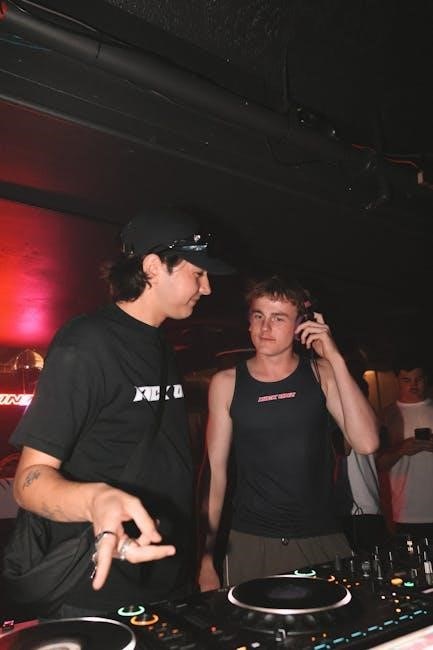
Tresor is a historic Berlin techno club, deeply rooted in the city’s post-wall underground scene․ Originally located in the vaults of a former department store, it embodies a raw, industrial aesthetic․ The club’s history is intertwined with the early days of techno in Germany, offering a space for experimentation and freedom․
Today, Tresor continues to champion cutting-edge electronic music, hosting both established and emerging artists․ Its multi-room layout provides diverse sonic experiences, from hard-hitting techno to more experimental sounds․ Tresor remains a vital force in Berlin’s nightlife․
Movement Detroit
Movement Detroit is an iconic electronic music festival, held annually in Hart Plaza, Detroit, Michigan․ It’s widely considered the birthplace of techno, paying homage to the Belleville Three and the city’s rich musical heritage․ The festival showcases a diverse lineup of both legendary and rising techno artists․
Movement Detroit isn’t just a music event; it’s a cultural experience․ Attendees immerse themselves in the spirit of innovation and community that defines Detroit techno․ Multiple stages offer varied sonic landscapes, creating an unforgettable weekend for electronic music enthusiasts․
Awakenings (Netherlands)
Awakenings is a leading techno festival and event organizer based in the Netherlands, renowned for its immersive and high-quality productions․ Held annually, typically in July, it draws techno devotees from across the globe to Spaarnwoude, near Amsterdam․ Awakenings is celebrated for its dedication to showcasing the very best in techno music․
The festival features multiple stages, each curated with a distinct atmosphere and lineup, ranging from hard-hitting industrial sounds to more melodic and atmospheric techno․ Awakenings also hosts year-round events, solidifying its position as a cornerstone of the global techno scene․
Techno Music Production Techniques
Crafting techno hinges on specific production approaches․ Drum programming is paramount, focusing on driving, repetitive rhythms often utilizing 4/4 time signatures and precise sequencing․ Synthesizers are key, creating both foundational basslines and atmospheric textures – experimentation is vital․
The skillful use of effects like reverb, delay, and distortion adds depth and character․ Producers frequently employ sidechain compression to create a pumping effect, linking the kick drum to other elements․ Mastering these techniques unlocks the core sound of techno, allowing for unique sonic landscapes․
Drum Programming and Rhythm
Techno’s heartbeat lies in its drum programming․ A foundational 4/4 time signature is almost universal, providing a relentless, driving pulse․ Kick drums are typically dominant, often heavily processed for impact and low-end presence․ Snare and clap sounds are frequently layered, adding texture and rhythmic complexity․
Emphasis is placed on precise sequencing and subtle variations to avoid monotony․ Hi-hats often provide a consistent rhythmic backbone, while percussion elements add nuanced grooves․ Achieving a hypnotic, repetitive rhythm is central to the techno aesthetic, creating a captivating dancefloor experience․
Synthesizer Sounds and Textures
Synthesizers are the sonic palette of techno․ Producers craft a diverse range of sounds, from deep, resonant basses to shimmering, atmospheric pads․ Emphasis is often placed on creating unique textures through synthesis techniques like subtractive, FM, and wavetable synthesis․
Raw, industrial tones are common, alongside evolving soundscapes and hypnotic melodies․ Experimentation with modulation – LFOs, envelopes, and effects – is crucial for adding movement and interest․ The goal is to build layers of sound that interact and create a compelling sonic environment․
The Use of Effects (Reverb, Delay, Distortion)
Effects processing is vital in shaping techno’s sound․ Reverb adds space and depth, creating atmospheric textures, while delay introduces rhythmic echoes and hypnotic repetitions; Distortion, ranging from subtle saturation to aggressive overdrive, adds grit and energy, crucial for impactful sounds․
Techno producers often employ creative effect chains, layering multiple processes to sculpt unique sonic characteristics․ Careful EQing alongside effects prevents muddiness and ensures clarity․ Mastering these tools allows for crafting immersive and powerful soundscapes․
DJing Techno: Essential Skills
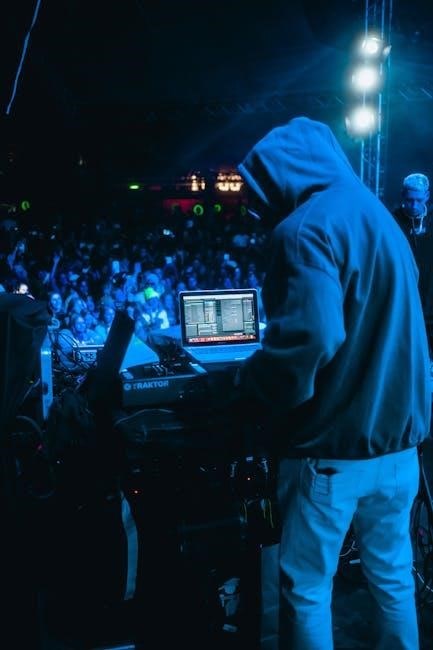
Techno DJing demands precision and musical understanding․ Beatmatching – synchronizing tempos – is fundamental, creating seamless transitions․ Mastering EQ and filtering allows sculpting sound, building tension, and blending tracks harmoniously․ Track selection is paramount; crafting a compelling narrative through careful programming is key․
Beyond technical skills, understanding energy flow and reading the crowd are vital․ Effective DJs build momentum, creating an immersive experience․ Experimentation with looping and effects adds flair, showcasing individual style and creativity․
Beatmatching and Mixing
Beatmatching is the cornerstone of techno DJing, aligning the tempos of two tracks for a fluid transition․ This involves adjusting the pitch of one track to match the other, often using headphones to precisely synchronize the beats․ Smooth mixing isn’t just about tempo; it’s about phasing – ensuring the kick drums and rhythmic elements align perfectly․
Effective mixing utilizes EQ to carve out sonic space, preventing clashing frequencies․ Gradually introducing the new track while fading out the old creates a seamless blend, maintaining energy and flow on the dancefloor․
Track Selection and Programming
A compelling techno set hinges on thoughtful track selection․ Consider energy levels, key compatibility, and textural variety to build a captivating journey for the listener․ Programming isn’t simply playing songs; it’s crafting a narrative, guiding the audience through peaks and valleys of intensity․
Anticipate the dancefloor’s response and adapt accordingly․ Introduce new elements gradually, layering sounds and building tension․ A well-programmed set tells a story, keeping the energy consistently engaging and avoiding predictable patterns․
Understanding EQ and Filtering
EQ and filtering are crucial tools for a seamless techno mix․ Equalization shapes the tonal balance of tracks, preventing muddiness and ensuring clarity․ Filtering allows for creative transitions, building tension by removing frequencies or highlighting specific elements․
Mastering these techniques prevents clashing frequencies and allows for smooth blends․ Subtractive EQ – cutting unwanted frequencies – is often preferred over boosting․ Experiment with high-pass and low-pass filters to create dynamic shifts and maintain energy on the dancefloor․
The Cultural Impact of Techno Music
Techno emerged as more than just music; it became a powerful form of self-expression and a catalyst for community․ Rooted in a DIY ethos, it empowered artists to create independently, fostering innovation and challenging mainstream norms․ The genre quickly intertwined with the burgeoning rave scene, providing the soundtrack for underground gatherings․
Techno offered a space for inclusivity and liberation, becoming a cultural force that continues to evolve․ It represents a spirit of rebellion, technological exploration, and collective experience․
Techno as a Form of Expression
Techno provides a unique outlet for artists to convey complex emotions and ideas through sound․ Its repetitive rhythms and hypnotic textures can induce trance-like states, allowing for introspection and a release of energy․ The genre’s often-minimalist aesthetic encourages listeners to project their own interpretations onto the music․
Beyond personal expression, techno fosters a sense of collective experience, uniting people through shared sonic landscapes․ It’s a powerful medium for social commentary and a celebration of individuality within a unified space․
The DIY Ethos of Techno
From its inception, techno embraced a fiercely independent, do-it-yourself spirit․ Originating outside mainstream music industry structures, the Belleville Three and early pioneers built their own studios, labels (like Transmat Records), and networks․ This self-reliance stemmed from limited access to traditional resources and a desire for artistic control․
This DIY approach extended to the rave scene, where parties were often organized independently, fostering a sense of community and creative freedom․ Techno’s core values prioritize innovation and accessibility over commercial success, continuing to inspire independent artists today․
Techno and the Rave Scene
The burgeoning rave scene of the late 1980s and early 1990s provided a crucial platform for techno’s growth and cultural impact․ Initially underground and often held in abandoned warehouses or outdoor locations, raves offered a space for liberation and collective experience fueled by the music․
Techno’s hypnotic rhythms and immersive soundscapes perfectly complemented the rave atmosphere, fostering a sense of unity and escapism․ This symbiotic relationship propelled techno into the mainstream consciousness, shaping youth culture and influencing fashion, art, and social movements․
Leave a Reply
You must be logged in to post a comment.