Ensuring adequate iron intake is paramount during toddlerhood, as this vital nutrient fuels rapid growth and cognitive development.
Numerous resources, including comprehensive high iron foods for toddlers PDF guides, detail optimal dietary strategies.
These guides emphasize the importance of iron-rich foods like meats, leafy greens, and fortified cereals for healthy toddlers.
Why Iron is Crucial for Toddler Development
Iron plays an absolutely essential role in supporting the remarkable developmental leaps toddlers experience. It’s a key component of hemoglobin, the protein in red blood cells responsible for carrying oxygen throughout the body, directly impacting energy levels and preventing fatigue.
Adequate iron is also critical for cognitive development, influencing brain function, learning, and behavior. Deficiency can lead to impaired cognitive performance and developmental delays.
Many high iron foods for toddlers PDF resources highlight that toddlers have increased iron needs due to their rapid growth rate.
These PDFs often emphasize that iron supports the development of the nervous system and immune function, making it a cornerstone of overall health during these formative years. Prioritizing iron-rich foods is therefore a proactive step towards ensuring a thriving, healthy toddler.
Iron Deficiency Risks in Toddlers
Iron deficiency is a surprisingly common concern among toddlers, posing significant risks to their healthy development. Without sufficient iron, toddlers may experience fatigue, weakness, and a reduced appetite, hindering their ability to explore and learn.
More seriously, iron deficiency can lead to impaired cognitive development, affecting attention span, memory, and overall academic performance.
High iron foods for toddlers PDF guides frequently detail that prolonged deficiency can even result in anemia, a condition where the body doesn’t have enough healthy red blood cells to carry adequate oxygen.
These resources also caution that picky eating habits, rapid growth spurts, and insufficient dietary intake contribute to the risk. Early identification and intervention, through dietary adjustments and potentially supplementation, are crucial to mitigate these potential consequences and support optimal toddler health;
Best High-Iron Foods for Toddlers
Numerous PDF guides highlight a diverse range of iron-rich foods ideal for toddlers, including meats, fish, eggs, and plant-based options.
Prioritizing these foods supports optimal growth.
Meat Sources: Beef, Lamb, and Poultry
According to various toddler nutrition PDF resources, meat is a highly bioavailable source of heme iron, crucial for optimal development. Beef, lamb, and poultry consistently rank among the top choices for boosting iron levels in toddlers’ diets.
Lean beef, in particular, provides a substantial amount of iron per serving, supporting healthy red blood cell production and preventing iron deficiency anemia. Lamb offers a similar benefit, while poultry, especially dark meat, contributes a significant iron intake.
PDF guides often recommend incorporating these meats several times a week, prepared in age-appropriate textures and portion sizes. Remember to cook meat thoroughly to ensure safety, and consider combining it with vitamin C-rich foods to enhance iron absorption, as detailed in many downloadable resources.
Organ Meats: Liver and Other Options
Many toddler nutrition PDF guides highlight organ meats, specifically liver, as exceptionally rich sources of iron – often surpassing even beef in concentration. While the taste can be strong, liver provides heme iron, which is easily absorbed by the body, making it a powerful tool against deficiency.
Other organ meats, like kidney and heart, also contribute significantly to iron intake, though they may be less commonly offered. PDF resources suggest starting with small portions and blending liver into other foods to make it more palatable for toddlers.
It’s crucial to consult a pediatrician or registered dietitian before introducing organ meats, due to their high vitamin A content. Proper preparation and moderation are key, as detailed in comprehensive PDF guides on toddler feeding.
Eggs: A Convenient Iron Source
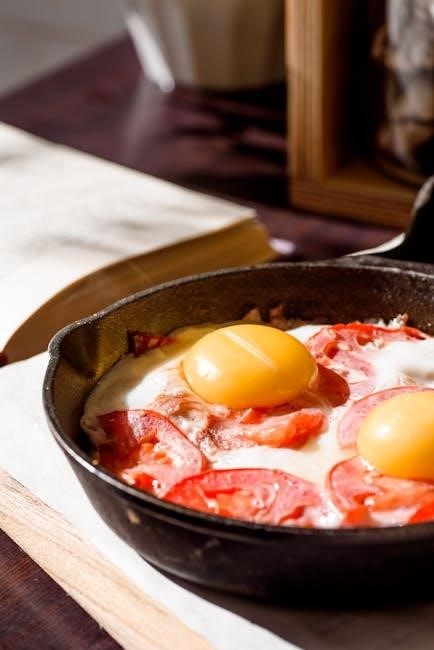
Toddler nutrition PDFs frequently recommend eggs as a readily available and versatile source of iron. While not as concentrated as red meat or liver, eggs offer a good amount of easily digestible heme iron, crucial for supporting healthy growth. The yolk contains the majority of the iron, so ensuring the entire egg is consumed is beneficial.
PDF guides often suggest incorporating eggs into various meals – scrambled, hard-boiled, or as an ingredient in baked goods. They are also a good source of protein and other essential nutrients, making them a valuable addition to a toddler’s diet.
Consider pairing eggs with vitamin C-rich foods, as detailed in many PDF resources, to enhance iron absorption. Always ensure eggs are fully cooked to minimize the risk of salmonella.
Fish: Excellent Iron and Omega-3s
Many toddler nutrition PDFs highlight fish as a superb source of both iron and essential omega-3 fatty acids, vital for brain development. Specifically, darker fish varieties like salmon and sardines generally contain higher iron levels than lighter fish. These resources emphasize the dual benefit of supporting iron stores while promoting cognitive function.
PDF guides often recommend introducing fish gradually, starting with small portions, and checking for any allergic reactions. It’s crucial to choose low-mercury options, as outlined in many dietary recommendations for young children.
Pairing fish with vitamin C-rich vegetables, as suggested in several PDF documents, can significantly boost iron absorption. Ensure all fish bones are removed before serving to prevent choking hazards.
Plant-Based Iron Sources for Toddlers
PDF guides detail numerous plant-based options, including dark leafy greens, iron-fortified cereals, legumes, and dried fruits, for toddler iron intake.
Dark Green Leafy Vegetables: Spinach, Kale, and Broccoli
Dark green leafy vegetables – spinach, kale, and broccoli – represent excellent plant-based iron sources for growing toddlers, as highlighted in many high iron foods for toddlers PDF resources.
These vegetables also provide essential vitamins and minerals crucial for overall health and development. However, the iron from plant sources isn’t as easily absorbed as heme iron found in meat.
PDF guides consistently recommend pairing these vegetables with Vitamin C-rich foods, like citrus fruits or bell peppers, to significantly enhance iron absorption.
Preparation methods can also impact nutrient availability; lightly steaming or sautéing preserves more iron than boiling.
Introducing these vegetables gradually and in age-appropriate textures is key to acceptance and optimal nutritional benefit for your little one.
Iron-Fortified Cereals: A Reliable Option
Iron-fortified cereals consistently appear as a recommended, reliable iron source for toddlers in numerous high iron foods for toddlers PDF guides, particularly for those with limited meat consumption.
These cereals are specifically designed to provide a substantial boost of iron, helping to meet the increased needs of rapidly developing children.
When selecting cereals, carefully review the nutrition label to ensure a high iron content and minimal added sugars.
PDF resources often advise combining iron-fortified cereals with breast milk, formula, or Vitamin C-rich fruits to maximize iron absorption.
It’s important to note that while convenient, cereals shouldn’t be the sole source of iron; a varied diet remains crucial for optimal toddler nutrition.
Legumes: Beans, Lentils, and Chickpeas
Legumes – encompassing beans, lentils, and chickpeas – are frequently highlighted in high iron foods for toddlers PDF guides as excellent plant-based iron sources.
These versatile foods offer a significant iron contribution, alongside fiber and protein, supporting overall toddler health and development.
However, the iron in legumes is non-heme iron, which isn’t as readily absorbed as heme iron found in meat.
PDF resources consistently recommend pairing legumes with Vitamin C-rich foods, like bell peppers or tomatoes, to substantially enhance iron absorption.
Preparation methods such as pureeing or mashing can make legumes more palatable and easier for toddlers to consume, as detailed in many guides.
Dried Fruits: Raisins, Apricots, and Prunes
Dried fruits, including raisins, apricots, and prunes, are often featured in high iron foods for toddlers PDF documents as convenient and palatable iron sources.
While offering a moderate amount of iron, these fruits also provide dietary fiber and natural sweetness, appealing to many toddlers.
However, it’s crucial to be mindful of portion sizes due to their concentrated sugar content, as emphasized in several PDF guides.
To maximize iron absorption, pairing dried fruits with Vitamin C-rich foods is consistently recommended within these resources.
Chopping or softening dried fruits can prevent choking hazards for younger toddlers, a safety tip frequently included in comprehensive PDF materials.
Maximizing Iron Absorption
High iron foods for toddlers PDF guides consistently highlight pairing iron-rich meals with Vitamin C sources to significantly enhance absorption rates.
Avoiding tea, coffee, and dairy during mealtimes is also crucial for optimal iron uptake, as detailed in these resources.
Pairing Iron-Rich Foods with Vitamin C
Numerous high iron foods for toddlers PDF resources emphasize the synergistic relationship between iron and Vitamin C, explaining how combining the two dramatically boosts iron absorption. Non-heme iron, found in plant-based sources like spinach and beans, is particularly challenging for the body to absorb efficiently.
However, consuming Vitamin C-rich foods alongside these plant sources significantly improves absorption rates. Excellent Vitamin C companions include citrus fruits – oranges, grapefruits, and lemons – as well as strawberries, bell peppers, and tomatoes.
For example, serving a lentil soup with a side of sliced oranges, or adding chopped bell peppers to a spinach omelet, can substantially increase the amount of iron your toddler’s body utilizes. These PDFs often provide practical meal combination ideas to facilitate this process, ensuring optimal nutritional benefit.
Foods to Avoid with Iron-Rich Meals
Many high iron foods for toddlers PDF guides caution against consuming certain foods concurrently with iron-rich meals, as they can inhibit iron absorption. Specifically, calcium-rich foods, such as milk, yogurt, and cheese, can interfere with both heme and non-heme iron uptake.
Similarly, beverages like tea and coffee contain tannins that bind to iron, reducing its bioavailability. Phytates, found in whole grains and legumes, can also hinder absorption, though this effect can be mitigated through soaking or fermenting these foods.
Therefore, it’s advisable to avoid offering dairy products, tea, or coffee within an hour before, during, or after an iron-rich meal. These PDFs often suggest spacing out these foods to maximize the benefits of iron-rich dietary choices for optimal toddler health.
Practical Tips for Feeding Iron to Toddlers
High iron foods for toddlers PDF resources suggest gradual introduction, pairing iron with Vitamin C, and creative meal combinations for success.
Introducing Iron-Rich Foods Gradually
Transitioning your toddler to iron-rich foods requires patience and a strategic approach, as highlighted in many high iron foods for toddlers PDF guides. Begin with small portions of easily digestible options like pureed meats or iron-fortified cereals.
Avoid overwhelming your little one with numerous new tastes simultaneously; introduce one new food at a time, observing for any allergic reactions or digestive discomfort.
Consistency is key; offer iron-rich foods regularly, even if your toddler initially refuses them. Repeated exposure can increase acceptance over time.
PDF resources often recommend blending iron-rich purees with familiar favorites to enhance palatability. Remember, the goal is to establish healthy eating habits, not to force-feed.
Focus on creating a positive and relaxed mealtime environment to encourage exploration and enjoyment of these essential nutrients.
Creating Iron-Rich Meal Combinations
Maximizing iron absorption involves strategic meal planning, as detailed in numerous high iron foods for toddlers PDF guides. Combine iron-rich foods with sources of Vitamin C, such as citrus fruits, berries, or bell peppers, to significantly enhance uptake.
For example, serve beef with a side of orange slices or add chopped spinach to a pasta dish with tomato sauce.
PDF resources frequently suggest pairing iron-fortified cereals with pureed fruits like strawberries or kiwi.
Avoid offering calcium-rich foods (milk, yogurt, cheese) simultaneously, as they can inhibit iron absorption.
Creative combinations like lentil soup with a side of broccoli or chicken and sweet potato with a sprinkle of lemon juice can make iron-rich meals appealing and nutritious for toddlers.
Resources and Further Information (PDF Focus)
Numerous online PDF guides offer detailed insights into toddler iron needs, optimal food sources, and absorption strategies for parents seeking guidance.
Finding Reliable PDF Guides on Toddler Iron Intake
Locating trustworthy PDF resources is crucial for parents navigating toddler nutrition. Begin your search with reputable organizations like the American Academy of Pediatrics (AAP) and the World Health Organization (WHO). These sources frequently publish evidence-based guidelines in accessible PDF formats.
Government health websites, such as those from the National Institutes of Health (NIH), also provide valuable, downloadable PDFs detailing recommended daily iron allowances and food charts. When evaluating a PDF, prioritize those authored by registered dietitians or pediatric healthcare professionals.
Look for PDFs that clearly outline age-appropriate iron requirements, list high-iron food options (including both meat and plant-based sources), and offer practical tips for maximizing iron absorption. Be wary of PDFs promoting unsubstantiated claims or lacking credible sources. Cross-reference information with multiple sources to ensure accuracy and reliability before implementing dietary changes.
Understanding Iron Content Charts in PDFs
Iron content charts within toddler nutrition PDFs are invaluable tools, but require careful interpretation. Charts typically display iron amounts in milligrams (mg) per serving, often based on a 100-gram portion. Pay attention to serving sizes, as they can significantly impact actual iron intake.
Distinguish between heme and non-heme iron; heme iron (from animal sources like beef and poultry) is more readily absorbed than non-heme iron (from plant sources). PDFs may indicate this distinction. Note that iron absorption can be enhanced by consuming vitamin C-rich foods alongside non-heme iron sources.
Consider the Recommended Dietary Allowance (RDA) for your toddler’s age, usually specified within the PDF. Use the chart to identify foods that contribute meaningfully to meeting this RDA. Remember that individual iron needs can vary, and these charts provide general guidance.
Leave a Reply
You must be logged in to post a comment.